Plumber in Lockhart, TX for Frozen Pipes
If you need a plumber in Lockhart for frozen pipes, the first step is the same every time: know where your main shutoff is and use it fast if a pipe splits. This guide covers freeze prep for Lockhart homes, what to do when a pipe freezes or bursts, and how to reach a local plumber.
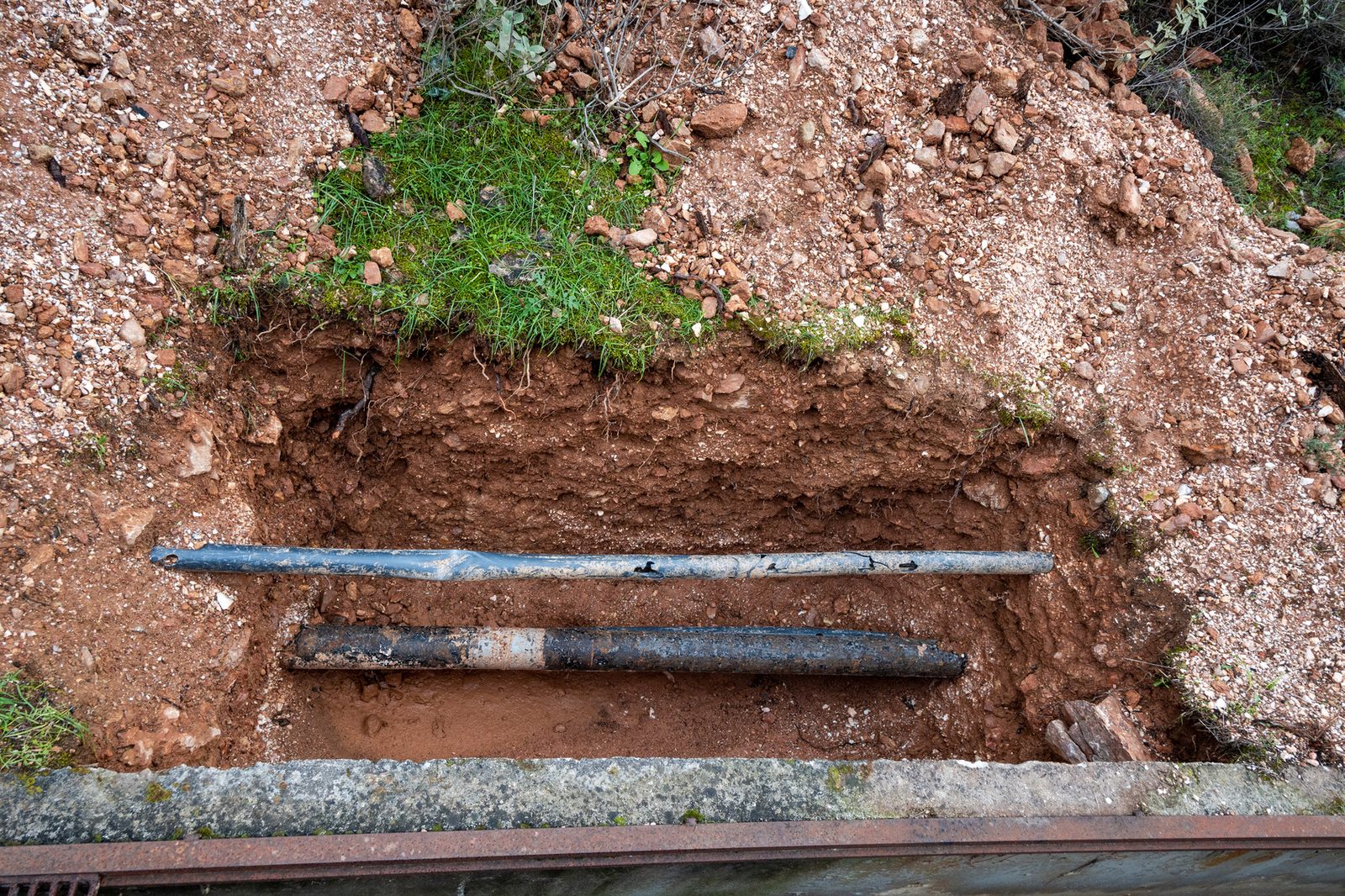
- Turn off the water at the main shutoff valve if a pipe freezes or bursts. The Texas Department of Insurance gives this same advice.
- Pipes in exterior walls, attics, crawl spaces and outdoor hose bibs freeze first.
- Some home policies might not pay for frozen-pipe damage if steps were not taken to protect the pipes, so prep matters.
- Plumbers in Texas are licensed by the Texas State Board of Plumbing Examiners (TSBPE), and you can look up a license online.
- Fall is the easiest time to insulate pipes, wrap hose bibs and test the shutoff valve.
What to do first
- Find the main water shutoff and turn it off if water is spraying or dripping from a ceiling or wall.
- Open a cold faucet at the lowest point in the house to drain pressure from the lines.
- Turn off the water heater (gas to pilot, or the breaker for electric) if the house water will be off for a while.
- Take photos and video of the damage before you move or clean anything.
- Call to be connected with a local plumber who serves Lockhart.
When should you call a plumber in Lockhart about frozen pipes?
Call a plumber in Lockhart when a pipe has burst, when water is running inside a wall or ceiling, or when a frozen line will not thaw safely on its own. You should also call if you have no water at all after a hard freeze, since that can mean a frozen or split line you cannot see.
Call right away for:
- Water spraying or dripping from a ceiling, wall or under a sink
- A wet spot spreading on the floor or a sound of running water when every tap is off
- A split pipe you can see in the attic, garage or crawl space
- A broken outdoor hose bib that is pouring water against the foundation
If water is moving, shut off the main first, then call. The burst pipe repair page explains what that kind of repair usually involves.
Which pipes freeze first in a Lockhart house?
In a Lockhart house, the pipes that freeze first are the ones closest to cold air: lines in exterior walls, attics, garages, crawl spaces and outdoor hose bibs. Pipes inside heated rooms rarely freeze unless the power and heat are out for a long time.
Watch these spots most closely:
- Hose bibs and outdoor faucets.
- Attic lines. Many Texas homes run supply lines through the attic, where winter air moves freely.
- Kitchen and bathroom sinks on outside walls.
- Pier-and-beam crawl spaces. Older homes raised off the ground have pipes exposed under the floor.
- The line from the meter to the house. Where it comes up out of the ground, it can freeze if it is not covered. See water line repair for that part of the system.
How do you get Lockhart pipes ready before the first freeze?
To get Lockhart pipes ready before a freeze, cover outdoor faucets, insulate exposed lines, disconnect garden hoses and make sure you can turn the main shutoff by hand. Doing these in October or November is easier than doing them the night a cold front arrives.
A simple fall checklist:
- Disconnect and drain garden hoses, then put foam covers on every hose bib.
- Wrap pipes in the attic, garage and crawl space with foam pipe insulation.
- Close crawl space vents and foundation openings before hard cold.
- Find the main shutoff, label it, and make sure it turns. A stuck valve is a common surprise during an emergency.
- Drain outdoor irrigation lines you can safely reach.
If your shutoff will not turn or is leaking, that is a good reason to call a plumber before winter, not after.
Need help now? Call to be connected with a local provider in San Marcos who can check availability for your address.
What should you do the night a hard freeze is coming?
On the night of a hard freeze in Lockhart, let a thin stream of water run from faucets on outside walls, open the cabinet doors under those sinks, and keep the heat on, even if you are leaving the house. Moving water and warm air are the two simplest ways to protect pipes.
- Drip both hot and cold at the faucets farthest from where water enters the house.
- Leave cabinet doors open so room heat reaches the pipes.
- Keep the thermostat steady overnight instead of turning it down.
- If you are traveling, ask someone to check the house, or shut off the main and drain the lines before you go.
Space heaters should never be left unattended or placed near anything that can catch fire.
How do you thaw a frozen pipe safely?
To thaw a frozen pipe safely, open the faucet it feeds, then warm the pipe slowly with a hair dryer, a heating pad or warm towels, starting at the faucet end and working back. Never use an open flame, a torch or a propane heater on a pipe or inside a wall.
Leaving the faucet open lets melting water flow and relieves pressure. Keep checking for leaks as the pipe warms, because a crack often shows up only after the ice melts. If you cannot reach the frozen section, if it is inside a wall, or if the pipe looks bulged or split, stop and call. A hidden leak can be found with leak detection once the water is back on.
What happens during the visit?
During the visit, a local plumber inspects the damaged or frozen line, explains the repair options, and gives you a written quote before any work starts. You decide what happens next.
The visit usually covers:
- Inspection. Finding every split or weak spot, not only the obvious one.
- Options explained. A small patch, replacing a section of pipe, rerouting a line out of a cold space, or adding insulation.
- Written quote first. Ask for the quote in writing before work begins, and ask whether a permit is needed.
- Checks after the repair. Turning the water back on slowly, checking for other leaks and looking at the water heater if it was affected.
For a step-by-step look at how calls work, see how it works.
Does home insurance cover a burst pipe in Lockhart?
It depends on your policy. Many policies treat sudden damage differently from gradual leaks, so check your policy and document everything. The Texas Department of Insurance says most homeowner policies cover sudden and accidental water damage like a burst pipe, but usually not damage from slow leaks.
TDI also warns that a policy might not pay for frozen-pipe damage if you did not take steps to protect your pipes, and that flood insurance does not pay for burst-pipe damage. After a break, take photos, keep damaged items if you can, save receipts, and report the damage to your insurer promptly.
How do you check a plumber's license in Texas?
You can check a plumber's license in Texas through the Texas State Board of Plumbing Examiners (TSBPE), which licenses Master, Responsible Master, Journeyman and Tradesman-Limited plumbers. TSBPE has a public license search on its website.
TSBPE suggests asking for the name of the company's Responsible Master Plumber and checking that the license is valid and has a Certificate of Insurance on file. Master Plumber license numbers begin with the letter "M." TSBPE does not set plumbing prices, and it suggests asking your city's plumbing inspection department whether a repair needs a permit.
Freeze risk for Lockhart and nearby towns
Lockhart does not freeze often, which is exactly why freeze damage catches people off guard. From February 11-19, 2021, most of Texas had prolonged freezing temperatures, ice, sleet, snow and power outages, which caused property damage from freezing pipes. Insurers reported 4,397 claims from that storm in neighboring Hays County alone, covering towns like San Marcos, Kyle and Buda.
National Weather Service data for nearby Austin shows how short and uneven the cold season is. Over 1991-2020, the average first freeze at Camp Mabry was December 1 and the average last freeze was February 15. Sub-freezing temperatures happen about 12 days a year at Camp Mabry but 33 days at Austin-Bergstrom Airport, where clear nights can be 10 degrees colder. Open, rural ground like much of the land around Lockhart can run colder than town.
The same prep applies across the area, from Lockhart and Martindale to Seguin and San Marcos. For drain and sewer issues in older Lockhart homes, see the Lockhart service area page.
Related pages
Questions people ask
How do I find a plumber in Lockhart, TX for a burst pipe?
Shut off your main water valve, then call to be connected with a local plumber who serves Lockhart. Availability depends on the provider and your address, so share what broke and what you have already shut off.
Should I let my faucets drip in Lockhart when it freezes?
Yes, letting faucets on outside walls drip is a simple way to protect pipes on freezing nights. Moving water is harder to freeze, and an open tap also relieves pressure if ice does form.
Where is the main water shutoff on a Lockhart house?
It is usually near where the water line enters the house, often close to an outside faucet, in the garage or near the water heater. There is also a valve at the meter box near the street. Find and test it before winter.
What if my main shutoff valve will not turn?
Do not force it with a long wrench, because an old valve can break. Use the valve at the meter if you can reach it safely, and have a plumber replace the stuck valve when things are calm.
Is it safe to use a hair dryer to thaw a frozen pipe?
Yes, a hair dryer is a safe choice if you keep it away from standing water and keep the faucet open. Never use a torch, open flame or propane heater on pipes.
How can I tell if a pipe is frozen or broken?
A frozen pipe usually means a faucet gives little or no water, and you may see frost on the pipe. A broken pipe often shows up as water, wet drywall or a hissing sound once it thaws, so watch closely as temperatures rise.
Can frozen pipes burst after they thaw?
Yes, many leaks show up during the thaw. Ice can crack a pipe while it is frozen, but the water only starts flowing once the ice melts, so check under sinks and in the attic after a cold snap.
Do I need to cover outdoor faucets in Lockhart?
Yes, covering outdoor faucets is one of the easiest freeze steps. Disconnect the hose, drain it, and put a foam cover over each hose bib before the first hard freeze.
Will homeowners insurance pay for frozen pipe damage in Texas?
It depends on your policy. The Texas Department of Insurance warns that a policy might not pay for frozen-pipe damage if steps were not taken to protect the pipes, so check your policy and document everything.
Does flood insurance cover a burst pipe?
No, according to the Texas Department of Insurance, flood insurance does not pay for burst-pipe damage. That kind of damage falls under your homeowner or renters policy, depending on its terms.
Should I turn off my water heater if a pipe bursts?
If the house water will be off for a while, turning off the water heater is a good idea. Switch gas units to pilot or off, and turn off the breaker for electric units, so the tank is not heating without water coming in.
Can I fix a frozen pipe myself in Lockhart?
You can thaw a pipe and do small repairs on your own homestead, since Texas law does not require an owner to be licensed for plumbing in their own homestead. A city may still require a permit, and a split pipe inside a wall is usually a job for a licensed plumber.
What questions should I ask a plumber about freeze damage?
Ask where every damaged spot is, what each repair option involves, and for a written quote before work starts. It also helps to ask whether a permit is needed and how to keep that line from freezing again.
Can a plumber reroute pipes out of my attic or crawl space?
Often, yes. Moving a line into a warmer part of the house is one option a plumber may suggest for pipes that freeze every winter, and the written quote should explain the trade-offs.
Talk to someone about your plumbing problem
Call to be connected with a local provider who can check availability for your address and explain the next step.