How to Repair a Broken Faucet in San Marcos
To repair a broken faucet in a San Marcos home, shut off the water under the sink, figure out which type of faucet you have, take it apart, and replace the worn washer, O-ring or cartridge with a matching part. If the faucet body is cracked or the shutoff valve will not close, call to be connected with a local plumber.
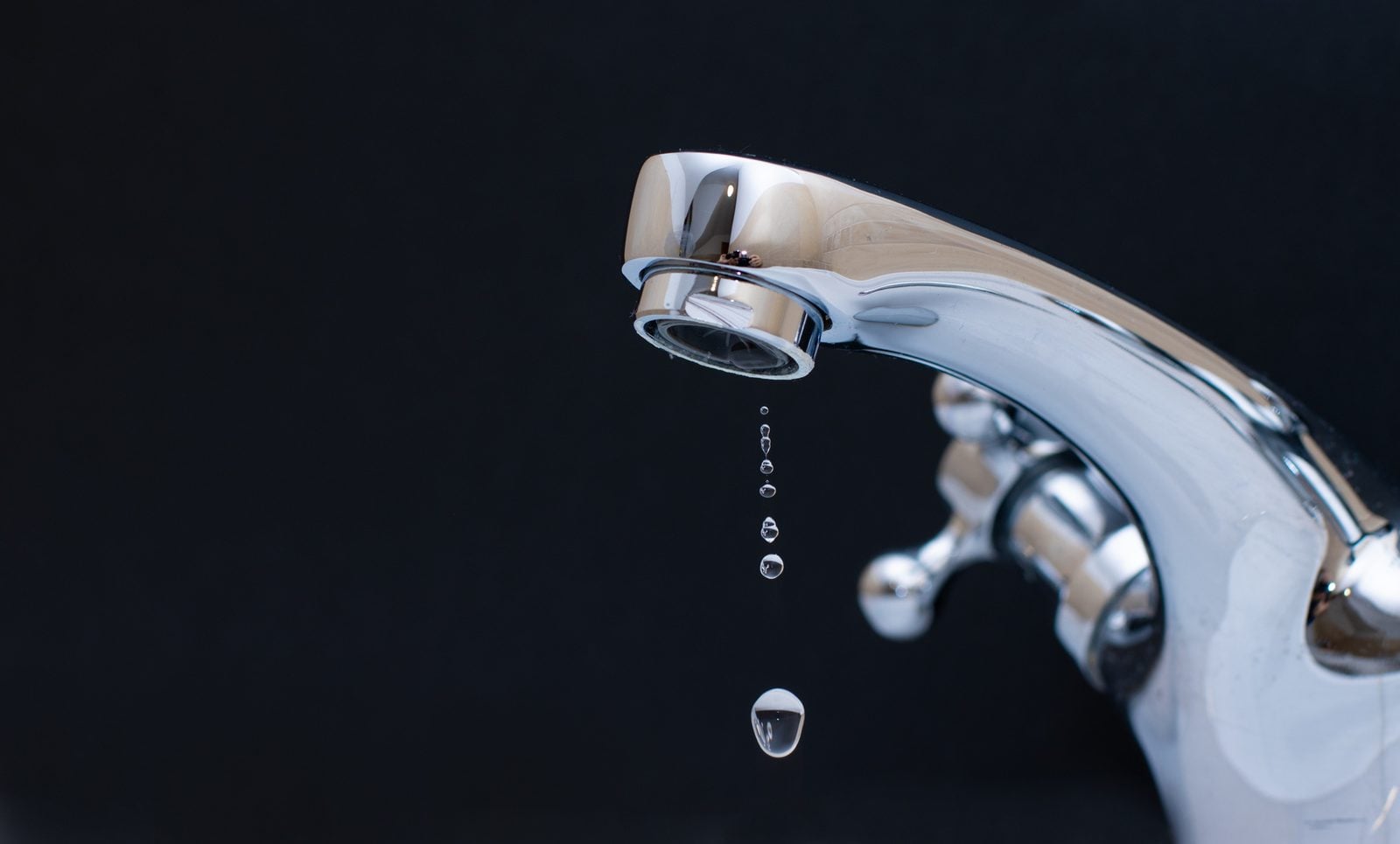
- Always close the shutoff valves under the sink, or the main water valve, before you take a faucet apart.
- Most drips and leaks come from a worn washer, O-ring, seal or cartridge, not from the whole faucet.
- There are four common faucet types: compression, cartridge, ball and ceramic disc. Each uses different parts.
- Take the old part with you to the hardware store so the new one matches size and brand.
- Texas law lets property owners do plumbing in their own homestead without a license, but a city may still require a permit for some work.
What to do first
- Close the hot and cold shutoff valves under the sink by turning them clockwise until they stop.
- If there are no shutoff valves, or they will not close, turn off the main water valve for the house.
- Open the faucet to let out the water left in the lines and confirm the water is off.
- Put the sink stopper in or cover the drain with a rag so small screws and parts cannot fall in.
- If water is spraying, pooling in the cabinet or running into a wall, stop and call for help instead of taking the faucet apart.
How do I repair a broken faucet myself?
You can repair most broken faucets in a San Marcos home yourself by turning off the water, removing the handle, pulling out the worn washer, O-ring or cartridge, and installing an exact replacement. The job takes basic tools and patience. The hard part is usually finding the right part, not the repair itself.
Here is the general order for almost any sink or tub faucet:
- Shut off the water at the valves under the sink or at the main.
- Plug the drain so nothing small disappears.
- Remove the handle. Pop off the decorative cap with a flat screwdriver, then loosen the screw underneath. Some handles use a small hex (Allen) set screw on the side.
- Remove the retaining nut or clip with an adjustable wrench. Wrap the jaws in tape or a cloth so you do not scratch the finish.
- Pull out the stem, cartridge or ball. Note the order and direction of every piece. A quick phone photo helps.
- Replace the worn parts with matching ones. Coat new rubber parts with plumber's grease.
- Reassemble in reverse order, turn the water back on slowly and check for drips.
If something will not come loose, do not force it. Old, corroded parts can snap.
What type of faucet do I have, and why does it matter?
The type of faucet decides which part has failed and which repair kit you need. Most homes in San Marcos have one of four types: compression, cartridge, ball or ceramic disc. You can usually tell them apart by how the handles move.
- Compression faucet. Two separate handles that you twist down to close, and you feel them tighten. These use rubber washers that wear out and are the most common cause of a steady drip.
- Cartridge faucet. One or two handles that move smoothly with no tightening at the end. A single plastic or brass cartridge controls flow and temperature.
- Ball faucet. One handle on top of a rounded cap, common on older kitchen sinks. A slotted ball, springs and rubber seats control the water.
- Ceramic disc faucet. One lever over a wide, round body. Two ceramic discs slide against each other. The discs rarely wear out, but the seals around them do.
Bring the old part to the store so it can be matched by brand and model.
How do I fix a dripping faucet that will not stop?
A dripping faucet almost always means a worn washer, seat, O-ring or cartridge is letting water slip past when the handle is off. Replacing that one part usually stops the drip. If the drip comes back quickly, the valve seat inside the faucet body may be pitted.
On a compression faucet, unscrew the stem and look at the rubber washer at the bottom. If it is flattened, cracked or hard, replace it and the brass screw that holds it. Then shine a light into the faucet body. The seat is the ring the washer presses against. A rough seat can be replaced with a seat wrench or smoothed with a seat dressing tool.
On cartridge, ball and disc faucets, replace the whole cartridge or the full set of seals and springs from a kit. Partial fixes tend to leak again.
A drip is a gradual leak, so do not leave it for months. The Texas Department of Insurance says most policies cover sudden and accidental water damage but usually not gradual leaks or seepage.
Need help now? Call to be connected with a local provider in San Marcos who can check availability for your address.
Why is my faucet leaking from the base or the handle?
Water around the base of a faucet or under the handle usually comes from worn O-rings, a loose retaining nut or a failing cartridge seal, not from the supply lines. Tightening the nut or replacing the O-rings fixes most of these leaks.
On a single-lever kitchen faucet, the spout sits on O-rings that dry out and flatten over time. Lift the spout off after removing the handle and cap, roll the old O-rings off, and slide new greased ones on. On two-handle faucets, a leak under one handle often means the packing or O-ring on that stem needs replacing.
If you see water under the sink rather than on the counter, look at the supply lines and the nuts where they meet the faucet and the shutoff valves. A braided supply line that is bulging, kinked or rusty should be replaced. Water that keeps coming back inside the cabinet may point to a hidden leak, and a leak detection visit can find it.
How do I fix a broken outdoor faucet or hose bib?
An outdoor faucet that drips can often be fixed with a new washer or packing nut, but a spigot that split from freezing usually needs to be replaced, and a frost-free hose bib can crack inside the wall where you cannot see it. Turn off the water before you start.
Signs that the break is inside the wall include water running down the siding, a damp spot on an inside wall near the spigot, or a leak that only starts when the hose is turned on. In those cases, shut the water off and leave the faucet closed.
If an outdoor faucet broke and water is spraying, see what to do when a pipe bursts and shut off the main.
When should I call a plumber instead of fixing the faucet myself?
Call a plumber when the faucet body is cracked, the shutoff valves under the sink will not close or are leaking, water is inside a wall or cabinet floor, or a part has broken off inside the faucet. These problems go beyond swapping a washer and can cause water damage if they go wrong.
Other good reasons to get help:
- A shower or tub valve that leaks behind the wall or needs the wall opened.
- Corroded old pipes that may break when you turn the nut.
- A faucet that keeps leaking after you replaced the cartridge or washers.
The toilet and faucet repair page covers what a local plumber can look at. Call (512) 759-6702 to be connected with a local provider.
What happens during the visit?
During the visit, a local plumber looks at the faucet, the shutoff valves and the supply lines, explains what is broken and the repair or replacement options, and gives you a written quote before any work starts. You decide what happens next.
A typical visit may include:
- Finding out whether the leak is from the faucet, the valve, the supply line or the drain.
- Replacing worn cartridges, stems, seats or seals with matching parts.
- Replacing a shutoff valve that will not close.
- Explaining when a full faucet replacement makes more sense than another repair.
Ask what was found, what each option involves, and whether the work needs a permit.
Faucet problems in San Marcos, Kyle and New Braunfels homes
Homeowners in San Marcos, Kyle, Buda, New Braunfels and Wimberley run into the same faucet problems as anywhere else, plus a few local ones. Hard freezes do happen here. Insurers reported 4,397 claims in Hays County from the February 2021 winter storm, according to the Texas Department of Insurance. Nearby, Austin Water said so much water was lost to dripping faucets and broken pipes during that freeze that storage fell well below its minimum. Outdoor spigots and faucets on outside walls are the first to suffer in a hard freeze.
Hard water also wears faucets out. San Antonio Water System says the typical hardness in its water ranges from 15 to 20 grains per gallon, from minerals in the Edwards and Trinity aquifers. Utilities in San Marcos, New Braunfels and Seguin may differ, so check your own water report. Mineral buildup clogs aerators and makes cartridges stiff.
If you want to do the work yourself, Texas law says a property owner is not required to be licensed to do plumbing in their own homestead, though a city may still require a permit. If you hire help, the Texas State Board of Plumbing Examiners (TSBPE) suggests getting the name of the company's Responsible Master Plumber and checking the license. TSBPE does not regulate what plumbers charge, so ask for a written quote.
For homes in Lockhart, Dripping Springs, Canyon Lake or the Buda area, call (512) 759-6702 to be connected with a local plumbing provider.
Related pages
Questions people ask
How do I repair a broken faucet in my San Marcos house?
Shut off the water under the sink, remove the handle, and replace the worn washer, O-ring or cartridge with a matching part. If the faucet body is cracked or the valves will not close, call (512) 759-6702 to be connected with a local plumber.
Can I fix a leaky faucet myself or do I need a plumber?
Most drips can be fixed yourself with basic tools and the right repair part. Call a plumber if the shutoff valves fail, the faucet body is cracked, or water is getting into the cabinet or wall.
How do I turn off the water to my faucet?
Turn the small valves under the sink clockwise until they stop. If there are none, or they do not close, shut off the main water valve for the house.
Why is my faucet still dripping after I replaced the washer?
The valve seat inside the faucet is probably worn or pitted. Replace the seat or smooth it with a seat dressing tool, and make sure the new washer is the exact size.
How do I know if my faucet needs a new cartridge?
A drip from the spout, a stiff handle, or trouble mixing hot and cold on a single-handle faucet usually points to the cartridge. Replace it with one that matches the brand and model.
Why is water leaking from the base of my kitchen faucet?
Worn O-rings under the spout are the usual cause on single-lever kitchen faucets. Remove the handle and spout, replace the O-rings and coat them with plumber's grease.
Why is my faucet leaking under the sink?
A leak under the sink usually comes from a loose supply line nut, a worn supply line or a leaking shutoff valve rather than the faucet itself. Tighten the nut gently or replace the line, and call for help if the valve leaks.
What should I do if my faucet handle broke off?
Turn off the water at the shutoff valves first. Then replace the handle, or the stem or cartridge if the part it attaches to is broken.
How do I fix low water pressure in one faucet?
Unscrew the aerator at the tip of the spout, rinse out the debris and soak it in vinegar. If that does not help, the cartridge may be clogged with minerals.
Is a dripping faucet a plumbing emergency?
A slow drip is not an emergency, but it should be fixed soon. Water spraying, a valve that will not close, or water in a wall or cabinet needs help right away.
Will homeowners insurance pay for damage from a leaking faucet in Texas?
It depends on your policy. The Texas Department of Insurance says most policies cover sudden and accidental water damage but usually not gradual leaks, so check your policy and document everything.
How do I fix a broken outdoor faucet that froze?
Shut off the water, then check whether the spigot or the pipe behind it cracked. A split spigot usually needs to be replaced, and a leak inside the wall needs a plumber.
Should I let my faucets drip when it freezes in San Marcos?
It can help. Nearby Austin Water advises dripping faucets during freezing weather, and the Texas Department of Insurance says that if pipes freeze you should turn off the water at the shutoff valve. Also disconnect garden hoses from outdoor spigots.
Do I need a permit to replace a faucet in San Marcos?
A simple faucet repair usually does not, but permit rules vary by city. TSBPE advises asking your city's plumbing inspection department whether a job needs a permit and inspection.
Can I do my own plumbing repairs in Texas?
Yes, in your own homestead. Texas law says a property owner does not need a plumbing license to do plumbing in their homestead, though a city may still require a permit.
How do I check a plumber's license in Texas?
Use the Texas State Board of Plumbing Examiners license search. TSBPE also suggests asking for the name of the company's Responsible Master Plumber.
How do I get a plumber in San Marcos to fix my faucet?
Call (512) 759-6702 to be connected with a local plumbing provider who can check availability for your address in San Marcos, Kyle, Buda or nearby.
Talk to someone about your plumbing problem
Call to be connected with a local provider who can check availability for your address and explain the next step.