How to Drain a Hot Water Heater in San Marcos
If you are wondering how to drain hot water heater tanks in a San Marcos home, the short version is: turn off the power or gas, let the water cool, close the cold water supply, connect a garden hose to the drain valve, open a hot faucet, then open the valve and let the tank empty.
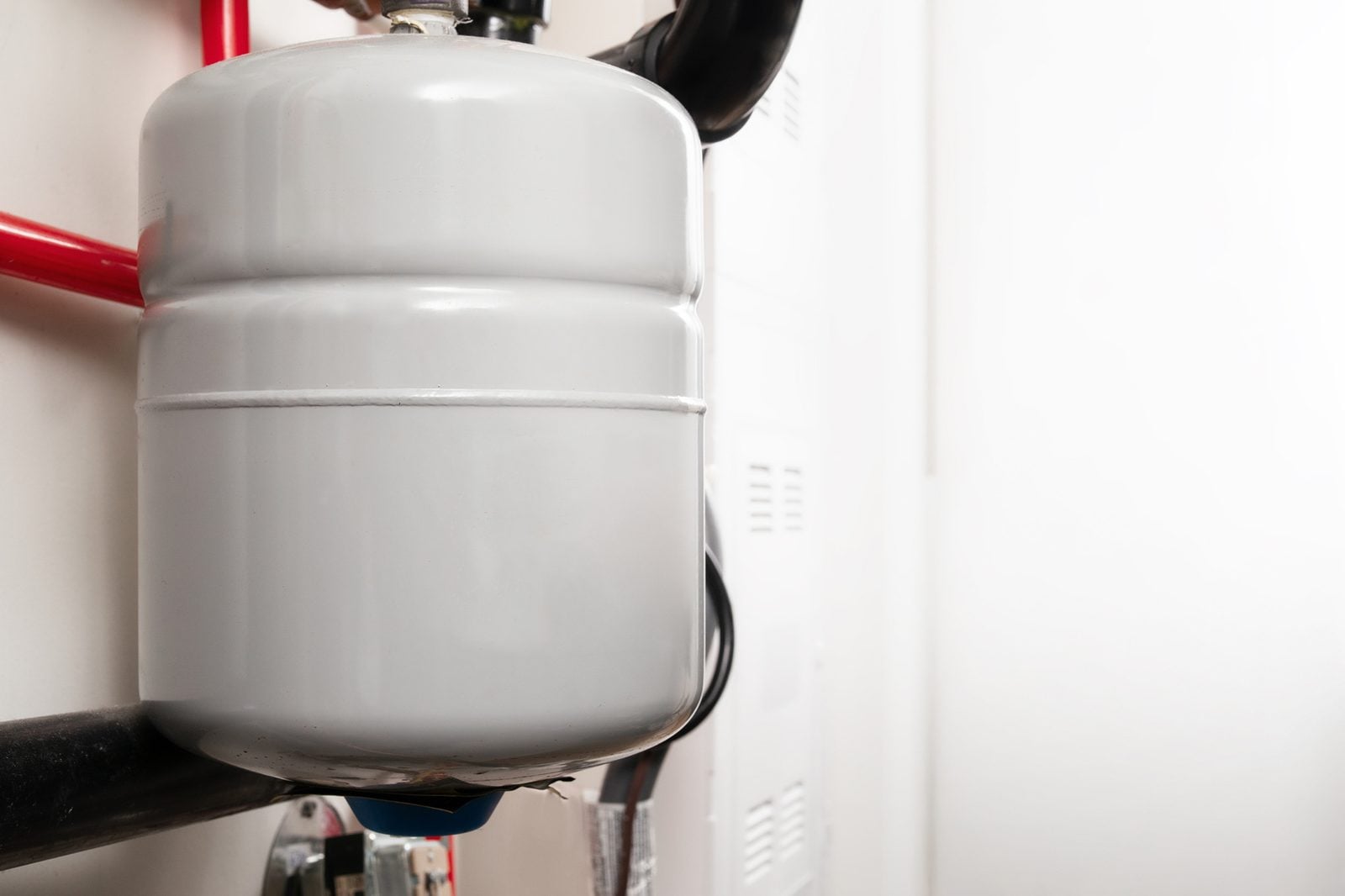
- Draining a tank water heater flushes out sediment that settles on the bottom and can cause popping noises, slow heating and less hot water.
- Always turn off the power or gas before draining. An electric heater that runs with an empty tank can burn out its heating elements.
- Tank water can be scalding hot, so let it cool and run the hose to a safe spot outside or to a floor drain.
- Many manufacturers suggest flushing a tank about once a year; check the owner's manual or the label on your heater.
- Texas law lets a property owner do plumbing on their own homestead without a license, but the Texas State Board of Plumbing Examiners (TSBPE) suggests asking your city whether a job needs a permit.
Why would you drain a hot water heater?
You drain a hot water heater mainly to flush out sediment. In most homes, including in San Marcos, minerals in the water slowly settle to the bottom of the tank as a layer of grit and scale. Over time that layer makes the heater work harder, heat more slowly and hold less usable hot water.
Other common reasons to drain a tank include:
- Popping or rumbling sounds. Water trapped under sediment boils in small bursts, which you hear as pops or rumbles when the burner or elements run.
- Replacing a part. Swapping a heating element, an anode rod or the drain valve itself usually means lowering the water level first.
- Moving or replacing the heater. A full tank is very heavy, so it must be emptied before anyone moves it.
Draining is routine maintenance, not a repair. It will not fix a cracked tank, a bad thermostat or a failed gas valve.
How to drain hot water heater tanks: what are the steps?
To drain a tank water heater, shut off the power or gas, let the water cool, close the cold water supply, attach a hose to the drain valve, open a hot faucet to let air in, then open the drain valve. When the tank is empty, flush it, close the valve and refill before turning the heat back on.
- Turn off the heat source. Flip the breaker for an electric heater. On a gas heater, turn the control knob to off or pilot.
- Let the water cool. Tank water is often hot enough to scald.
- Close the cold water inlet. This is the valve on the pipe that brings cold water into the top of the tank.
- Attach a garden hose. Screw it onto the drain valve near the bottom of the tank. Run the other end outside or to a floor drain that is lower than the valve.
- Open a hot water faucet. A tub or a nearby sink works. This lets air into the system so the tank drains freely.
- Open the drain valve.
- Flush the sediment. When the flow slows, briefly open the cold water inlet to stir up what is left, then close it again. Repeat until the water runs clear.
- Close the drain valve and refill. Remove the hose, open the cold water inlet and leave the hot faucet open until water flows smoothly with no sputtering air.
- Turn the heat back on. Only restore power or relight the gas once the tank is completely full.
Is it safe to drain a water heater yourself?
Draining a tank water heater yourself is usually safe if you turn off the power or gas first, let the water cool, and keep the hose pointed somewhere safe. The main risks are scalding water, an electric heater that runs with an empty tank, and an old drain valve that breaks or will not close.
Be extra careful in these situations:
- The heater is in an attic. A leak or a stuck valve above a ceiling can cause water damage quickly.
- The drain valve is plastic and old. Plastic valves can crack or snap when turned after years without use.
- You smell gas. Do not touch the heater. Leave the house and call your gas utility from outside.
If anything feels wrong, close the cold water inlet, leave the heat source off and call to be connected with a local plumber.
Need help now? Call to be connected with a local provider in San Marcos who can check availability for your address.
Why is my water heater not draining?
A water heater usually will not drain because sediment is clogging the drain valve, the cold water inlet is closed with no air coming in, or the hose is kinked or running uphill. Opening a hot faucet and keeping the hose lower than the valve fixes most slow drains.
Try these checks in order:
- Let air in. Open a hot water faucet somewhere in the house. Without air, the tank holds water like a finger over a straw.
- Check the hose. Straighten any kinks and make sure the far end sits lower than the drain valve.
- Use a little water pressure. Briefly opening the cold water inlet can push sediment out of the valve.
Do not force a stuck valve with a large wrench. A broken drain valve on a full tank can be hard to stop. If the valve will not budge, the water heater repair page explains the kinds of problems a local plumber looks at.
How often should you flush a hot water heater?
Many manufacturers suggest flushing a tank water heater about once a year, though the right schedule depends on your model, how much hot water your household uses and how much sediment builds up. Check the owner's manual or the label on the heater for its own advice.
Signs you may need to flush more often:
- Popping or rumbling sounds while the heater runs.
- Hot water that runs out sooner than it used to.
- Grit or flakes in faucet aerators or the shower head.
Do tankless water heaters need to be drained?
Tankless water heaters are not drained like tank heaters, but most need periodic flushing with a descaling solution to remove mineral scale from the heat exchanger. The process uses service valves, a small pump and a bucket, and it varies by brand, so follow the maker's instructions.
The no hot water guide covers other quick checks for both tank and tankless heaters.
When should you call a plumber instead of draining it yourself?
Call a plumber in San Marcos instead of draining the heater yourself when the tank is leaking, the drain valve is stuck or broken, the heater sits in an attic, you smell gas, or the water stays rusty after a full flush. Those signs point to a problem that draining alone will not solve.
It also makes sense to call when:
- Water is pooling under the tank or dripping from the bottom seam.
- The relief valve on the side or top of the tank keeps releasing water.
- The heater is older and you are weighing repair against replacement.
The water heater repair vs replacement guide explains the factors that usually decide that choice.
What happens during the visit?
During the visit, a local plumber inspects the water heater, checks the drain valve, the relief valve and the water and gas or electric connections, explains what they found and the options, and gives you a written quote before any work starts. You decide what happens next.
A typical visit may include:
- Draining and flushing the tank if sediment is the issue.
- Replacing a stuck or leaking drain valve.
- Checking the anode rod, elements or gas burner if heating is slow.
Ask what was found, what each option involves, and whether the work needs a permit. TSBPE advises asking your city's plumbing inspection department whether a job needs a permit and inspection.
Water heater care in San Marcos and nearby Hays County towns
Water heaters in San Marcos, Kyle, Buda and Wimberley often sit in garages and utility closets close to the ground, which matters in this part of Texas. San Marcos sits in the Hill Country edge region that the Lower Colorado River Authority calls "Flash Flood Alley," one of the areas with the greatest flash-flood risk in the United States.
Local floods have reached homes before. The 2015 Memorial Day flood and the October 30, 2015 "All Saints Flood" together damaged 1,558 homes and 35 businesses in San Marcos, based on the city's initial estimates. If floodwater ever reaches the base of your heater, do not just drain it and turn it back on. Leave the power or gas off and have it checked first.
Freezes are another local risk. Insurers reported 4,397 claims in Hays County from the February 2021 winter storm. If pipes freeze, the Texas Department of Insurance advises turning off the water at the shutoff valve. Many policies treat sudden damage differently from gradual leaks, so check your policy and document everything if a tank or pipe fails. The same steps and cautions apply in Wimberley and New Braunfels, so note what comes out of the hose when you flush and mention it if you call.
Related pages
Questions people ask
How do I drain my hot water heater myself?
Turn off the power or gas, let the water cool, close the cold water supply, attach a garden hose to the drain valve and open a hot faucet. Then open the drain valve and let the tank empty to a safe spot outside or a floor drain.
Do I need to turn off the water to drain my water heater?
Yes. Close the cold water supply valve at the top of the heater before you open the drain. If you skip this, water keeps refilling the tank while you drain it.
Do I have to turn off the power before draining a water heater?
Yes. Turn off the breaker for an electric heater or set the gas control to off or pilot. An electric heater that runs with an empty tank can burn out its heating elements.
Why is my water heater draining so slowly?
Slow draining usually means sediment is clogging the drain valve or no air is getting into the tank. Open a hot faucet and keep the hose lower than the valve. If it is still slow, the valve may be blocked.
What should I do if my water heater drain valve won't close?
Close the cold water supply so the tank stops refilling and leave the hose running to a drain. Then call to be connected with a local plumber, since the valve likely needs to be cleared or replaced.
Is it normal for brown to come out when I drain my water heater?
Yes, some brown or gritty water is normal at first because sediment and rust flakes settle at the bottom. Keep flushing until it runs clear. If it never clears, have the tank checked.
Why is my water heater making popping noises?
Popping usually means sediment has built up on the bottom of the tank and water trapped under it is boiling in small bursts. Flushing the tank often reduces the noise.
How do I refill my water heater after draining it?
Close the drain valve, open the cold water supply and leave a hot faucet open until water flows smoothly with no air. Only then turn the power back on or relight the gas.
Should I drain my water heater completely or just flush it?
A partial flush of a few gallons is often enough for routine care. A full drain is better when there is heavy sediment, popping noises, or a part needs to be replaced.
Is it safe to drain a water heater that is in the attic?
It can be done, but it is riskier because a stuck valve or leak can soak the ceiling below. Many people prefer to have a plumber handle attic heaters.
Do I need a permit to work on my water heater in San Marcos?
Draining and flushing is routine maintenance. For bigger work, the Texas State Board of Plumbing Examiners suggests asking your city's plumbing inspection department whether a permit and inspection are needed.
Can a homeowner in Texas do their own plumbing?
Texas law says a property owner does not need a plumbing license to do plumbing in their own homestead. Your city may still require a permit for some jobs.
Should I drain my water heater after a flood?
Do not just drain it and turn it back on. If floodwater reached the burner, controls or wiring, leave the power or gas off and have the heater checked first.
How do I find a plumber in San Marcos to flush my water heater?
Call the number on this page to be connected with a local plumber who serves San Marcos and nearby towns. Mention the heater type, its location and any noises or leaks.
How can I check a plumber's license in Texas?
Texas plumbers are licensed by the Texas State Board of Plumbing Examiners, and you can search licenses online. TSBPE suggests asking for the name of the company's Responsible Master Plumber.
Talk to someone about your plumbing problem
Call to be connected with a local provider who can check availability for your address and explain the next step.